Brazil implements mechanism to generate carbon credits from natural forests
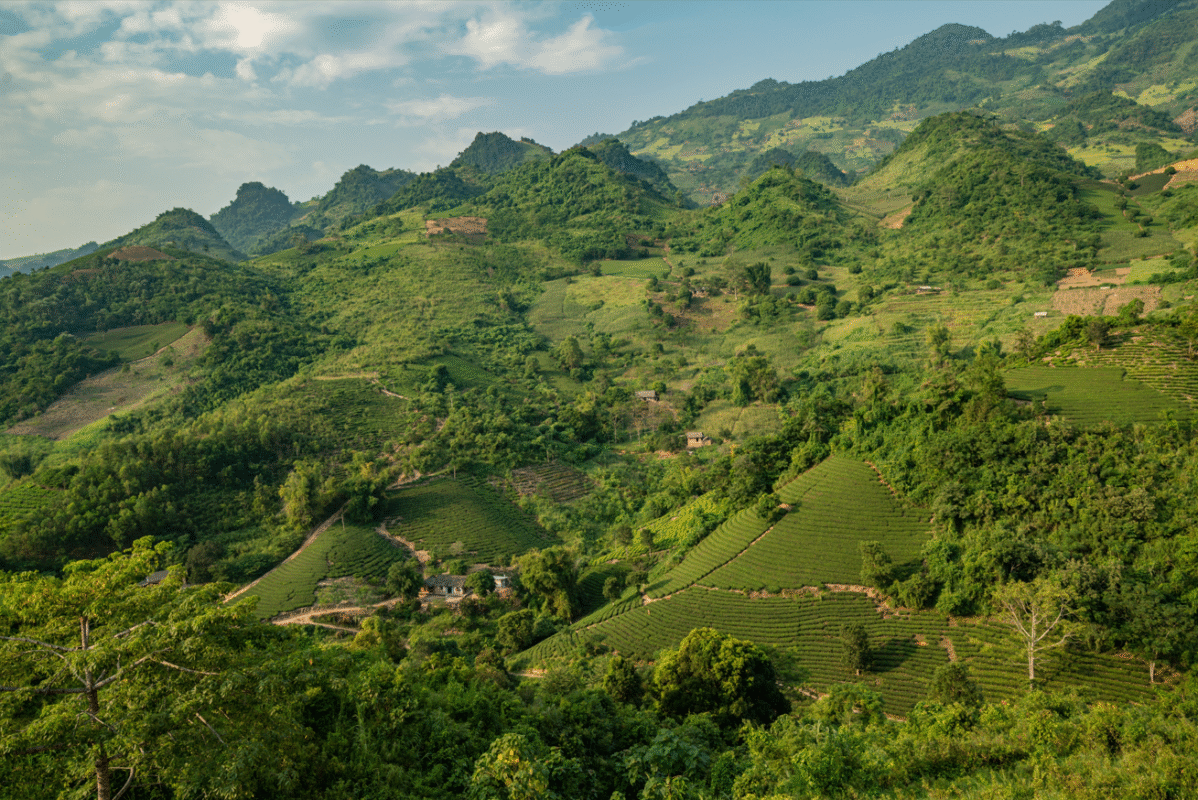
The Brazilian government announced that it will issue carbon credits through forest conservation and restoration projects in public forests that are allocated or leased by the State for management.
On October 17, President Luiz Inácio Lula da Silva signed a decree allowing forest projects to apply international certification methodologies to issue carbon credits under the Brazilian Emissions Trading System (SBCE).
Accordingly, private projects involved in managing public forests will be allowed to choose certification methodologies under the REDD+ mechanism (Reducing Emissions from Deforestation and Forest Degradation), instead of being limited to domestic regulatory frameworks.
According to Brazil’s Ministry of Environment and Climate Change, this certification mechanism enables carbon credits to be internationally recognized and traded in the global market, while still ensuring consistency with the national legal framework. It also provides legal certainty and stability, helping attract additional private investment into the country’s climate programs.
Previously, on October 15, Brazil established a Special Secretariat for the Carbon Market under the Ministry of Finance, aiming to promote sustainable development and complete its emissions reduction market by 2030. However, the agency still faces several challenges, including developing criteria for carbon credits and issuing guidance on monitoring and evaluation.
Brazil also aims to end deforestation and restore 12 million hectares of degraded forest by 2030, in line with its national commitments under the Paris Agreement on Climate Change.
Implications for Vietnam’s carbon market
Brazil’s move to allow carbon credit issuance from public forests highlights the significant potential of the forestry sector in contributing to emission reductions and attracting climate investment. This approach aligns with the global trend toward Net Zero goals, where many countries are adopting carbon pricing mechanisms to reduce emissions. The policy not only promotes the development of a transparent and efficient carbon market but also enhances national credibility in the international arena.
In Vietnam, afforestation, forest conservation, and restoration projects are also being considered as potential sources of carbon credits, especially as the national carbon credit exchange is expected to become operational by 2028. At the same time, Vietnam is continuing to refine its legal framework to keep pace with other countries, thereby developing mechanisms for managing carbon credits, including those from forest-based projects.
CCTPA is currently collaborating with both domestic and international partners to standardize processes for greenhouse gas inventory, verification, and certification of forest-based carbon credits in accordance with international standards, aiming to connect Vietnam’s carbon market with the global trading network.
Source: Argus Media – Brazil to generate carbon credits through forests – 21/10/2025 Read more
CARBON CREDIT TRADING PLATFORM ASEAN (CCTPA)
Address: Léman – 20 Truong Dinh, Xuan Hoa Ward, Ho Chi Minh City
Hotline: (+84) 28 6272 5889
Email: info@aseancarboncredit.com