Sustainable Malaysia: Investing in a green future
SUSTAINABILITY – INVESTING IN A GREEN FUTURE
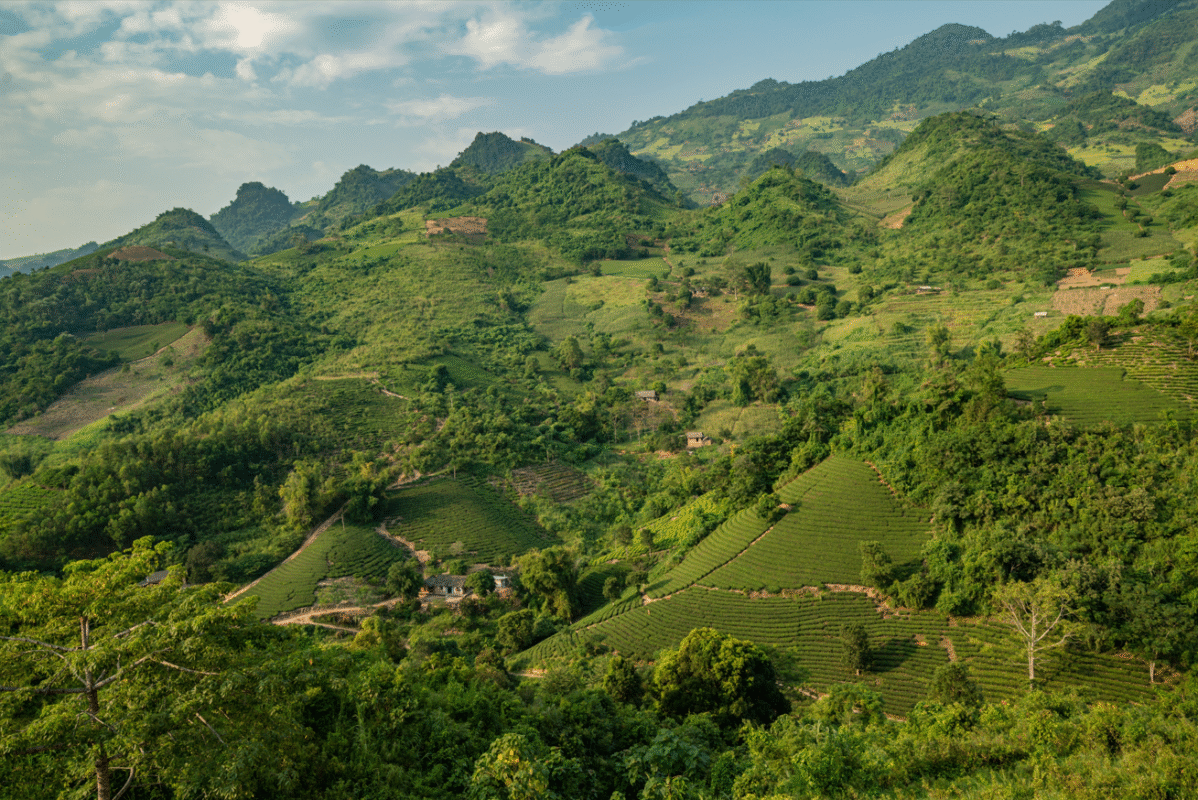
Malaysia is moving toward sustainability. With vast forest areas, long coastlines, and rich ecosystems, it is considered one of the “green lungs” of the world. The country is recognized as one of the 17 megadiverse nations, home to an exceptionally rich variety of flora and fauna. Of Malaysia’s total land area of 330,803 km², about 58.2% is covered by forests and 24% is agricultural land. However, these natural assets are facing increasing challenges, particularly from urbanization and climate change. As the economy grows, pressure on natural resources continues to rise, placing Malaysia at the crossroads of balancing economic development and environmental protection.
In response to the escalating climate crisis, Malaysia has set ambitious targets: reducing carbon intensity by 45% by 2030 compared to 2005 levels, and achieving net-zero emissions by 2050. To reach these goals, the country is implementing various solutions, including Nature-based Solutions (NbS). NbS leverage the power of nature to address environmental challenges, offering a promising pathway to both mitigate climate change and conserve biodiversity.
Sustainability through forests
According to the report “Securing Our Future: A Net Zero Pathway for Malaysia” by BCG and WWF, the Forestry Department of Peninsular Malaysia (FDPM) classifies forests into three protection levels, each with distinct characteristics and management objectives:
- Permanent Forest Estate (PFE): Managed for both timber production and regeneration, ensuring sustainable wood supply while supporting biodiversity conservation.
- National Forests: Strictly conserved with minimal exploitation, serving as vital genetic reserves and areas for scientific research and education.
- Totally Protected Areas (TPA): The highest level of protection, including national parks, wildlife reserves, and conservation areas, playing a crucial role in safeguarding ecosystems and biodiversity.
Commitment
Recognizing the critical importance of forests, Malaysia has committed to maintaining at least 50% forest cover nationwide. Policies and regulations have been introduced to ensure sustainable forest management. At the same time, to increase revenue and reduce fiscal pressure, Malaysia is exploring the use of carbon market mechanisms for certain forest areas. This allows companies to invest in forest conservation and receive carbon credits, contributing to global emissions reduction.

In parallel, Malaysia is promoting green economic models, such as the Sabah and Kuamut pilot projects. These initiatives integrate sustainable agriculture with reforestation, enhancing local livelihoods while protecting the environment.
Through these efforts, Malaysia is reinforcing its commitment to becoming a leader in climate action—protecting forests, advancing green economic development, and participating in the carbon market.
>>>> SEE ALSO: Green Energy Can Drive Sustainable Growth Across South Asia
Soil health
The Forestry Department recognizes the critical role of soil in carbon sequestration and ecosystem stability. Soil acts as a major carbon sink, storing a significant portion of carbon captured through photosynthesis. According to the Ecological Society of America, over 75% of carbon absorbed during photosynthesis is stored in soil. However, soil faces serious threats, particularly from industrial pollution. The disposal of waste and toxic substances not only harms ecosystems but also reduces soil’s carbon absorption capacity.
To protect and restore soil, Malaysia has implemented several measures, including expanding cover cropping and the “4R” nutrient management program. Cover crops improve soil quality, enhance water retention, and reduce erosion. The “4R” approach focuses on applying the right type of fertilizer, at the right rate, at the right time, and in the right place—reducing excess fertilizer use, minimizing environmental pollution, and contributing to climate change mitigation.
Sustainable agriculture
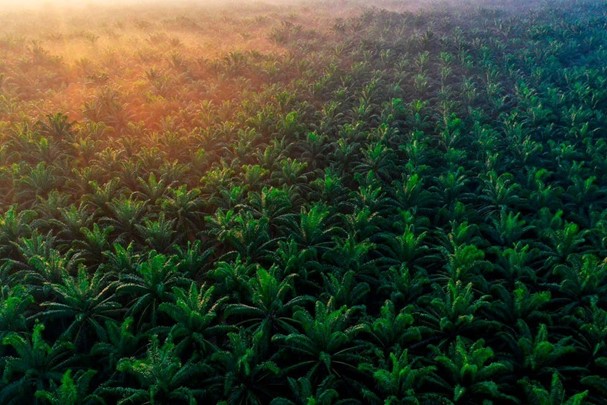
Malaysia’s agricultural sector faces significant carbon emission challenges, with estimated emissions reaching 11 MtCO₂e annually. This creates an urgent need to transition to more sustainable agricultural practices. Agroecology is seen as a key solution, integrating ecological and social principles to build productive, environmentally friendly, and socially beneficial farming systems.
Agroforestry
A core component of agroecology is agroforestry, which combines crops with trees to enhance soil carbon storage, improve soil quality, and reduce erosion. Agroforestry not only benefits the environment but also increases crop productivity, particularly for staple crops such as rice, thereby supporting food security and reducing land pressure.
Programs such as Semi-Aerobic Rice Intensification (SARI) have been introduced to support this transition. SARI promotes sustainable rice cultivation by optimizing water management, reducing methane emissions, and improving soil health. This technique involves alternating wetting and drying cycles in rice fields, conserving water and minimizing anaerobic conditions that lead to high methane emissions.
Conclusion
The greatest challenge in Malaysia’s transition to a green economy lies in balancing environmental protection with economic benefits for its people. Shifting from traditional, environmentally harmful agricultural practices to sustainable models requires significant change and investment.
To support this transition, the Malaysian government introduced policies in 2014 such as the Green Investment Tax Allowance (GITA) and Green Income Tax Exemption (GITE), encouraging businesses and individuals to adopt greener practices.
The ultimate goal is to build a sustainable green economy where economic growth goes hand in hand with environmental protection, ensuring a better future for generations to come. With its commitment to becoming a global leader in climate action and green technology, Malaysia continues to strive to protect and enhance the value of its natural resources.
Source: Sulthana Dzakira
>>>> REFERENCE: Seizing Opportunities for a Dynamic Rice Carbon Market in Southeast Asia