Tunisia’s energy sector could become a driver of green growth
Challenges in Tunisia’s energy sector
Lack of domestic oil and gas production
Over the past decade, Tunisia’s energy sector has faced significant challenges, leading to increasing dependence on oil and gas imports and a growing financial deficit for the national electricity and gas company, STEG. Last summer marked a critical moment with the emergence of major power outages, as STEG lacked both the technical capacity and financial resources to meet rising peak demand.
Tunisia’s lack of domestic oil and gas production could become an opportunity if the country fully leverages its renewable energy resources and its strategic position between North Africa and Europe to become a hub for green energy, industrial investment, and trade. The World Bank is providing technical and financial support to help the Tunisian government realize this vision.
Rising dependence on energy imports
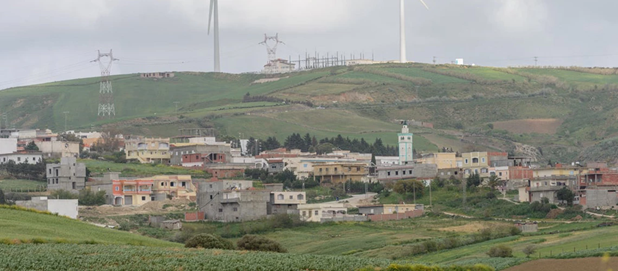
Increasing energy demand and declining domestic oil and gas production have driven a sharp rise in energy import dependence—from 5% of consumption in 2010 to 50% in 2022 (according to data from the Tunisian government and STEG). For STEG, this means growing reliance on natural gas imports from neighboring Algeria.
Moreover, natural gas import prices have surged since 2021, while STEG has had to invest heavily in generation, transmission, and distribution networks due to rising demand. As a result, its financial situation has deteriorated due to non-cost-reflective tariffs and insufficient subsidies. The situation is further aggravated by poor payment discipline among public sector customers and increasing electricity theft.
Opportunities from renewable energy
So how can Tunisia turn its lack of domestic fossil fuel resources into an opportunity? The answer lies primarily in its abundant solar and wind energy potential, estimated at 320 gigawatts (GW), compared to a current peak demand of around 5 GW.
More cost-effective solutions
The government aims to increase the share of renewable energy from around 8% in 2022 to 35% of total generation capacity by 2030. The good news is that Tunisia does not need to rely solely on its limited public finances to invest in solar or wind power plants. The private sector is ready to take on this role and sell electricity to STEG, which would benefit from cleaner and more cost-effective energy compared to current gas-based generation.
Support from stakeholders
However, for investors to commit with confidence, reliable payment mechanisms must be ensured—meaning STEG’s financial health needs to improve. Therefore, the government and STEG must develop an ambitious multi-year performance contract, under which the government would provide financial and political support to clear payment arrears and address critical issues such as billing discipline and fraud, while balancing revenue requirements, tariffs, and subsidies.
The World Bank is providing comprehensive technical assistance to both the government and STEG, including renewable energy development, improving STEG’s operational efficiency, and establishing a regulatory authority to ensure transparent and fair grid access for private investors.
Energy interconnection with Europe
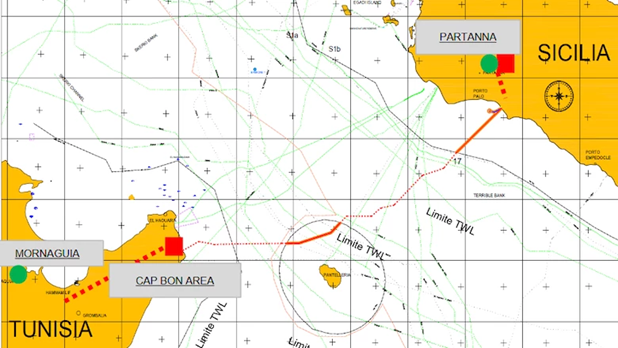
A third pillar of this energy transition involves interconnection with Europe. The Tunisia–Italy electricity interconnector (Elmed) is co-financed by STEG and the Italian transmission system operator Terna, with grants and loans from the EU, the World Bank, and other international financial institutions. This project will connect Tunisia to Sicily via a 600-megawatt submarine cable, enabling electricity trade in both directions across the Mediterranean.
The World Bank has supported the development of this project for years, since its pre-feasibility stage. Elmed is expected to become operational by 2028, enhancing Tunisia’s energy security by enabling imports from Europe during peak demand periods or when more cost-effective. More importantly, it will allow Tunisia to scale up renewable energy production and export surplus electricity to Europe, reducing generation costs and creating mutual benefits through trade.
The way forward
Large-scale renewable energy development can drive economic growth in Tunisia in several ways: first, by lowering energy costs and reducing subsidy needs; second, by shifting toward green energy and decreasing reliance on imported fossil fuels, contributing to a more balanced trade flow; and third, by attracting foreign direct investment into green industrial production and exports, thereby creating jobs and economic opportunities.
The World Bank is working closely with the Tunisian government to fully integrate the vision of green energy transition into the country’s broader industrial, social, and economic transformation. In addition to creating a favorable legal and business environment to attract investors, the government should also lay the groundwork by ensuring that higher education and vocational training programs are aligned to equip the next generation of workers for careers in green industries.
Author: Moëz Cherif