New solutions for PET plastic recycling: In-depth research on chemical methods
Introduction
U.S. scientists have focused on improving the efficiency of PET plastic recycling. Their recent report identifies key research priorities to advance the commercialization of new PET recycling technologies.
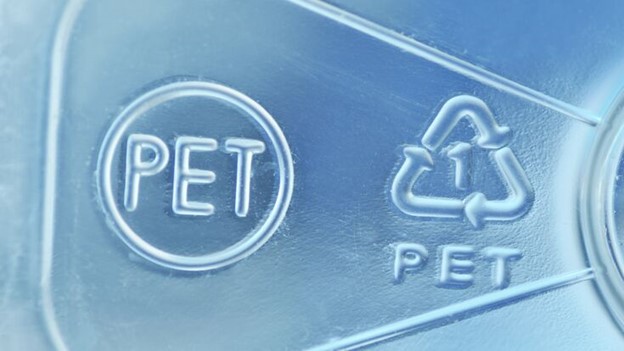
PET plastic, one of the most widely produced plastics in the world, has become a central focus of recycling research. While it offers many conveniences for modern life, PET is also a major contributor to environmental pollution. Recognizing the importance of this issue, scientists at Virginia Tech are working on developing more efficient PET recycling technologies to significantly reduce plastic waste and protect the environment.
Adam McNeeley, a graduate, together with his advisor Professor Y.A. Liu, a member of the Macromolecules Innovation Institute, has published a groundbreaking study on PET plastic recycling. The research focuses on using chemical recycling processes to completely remove additives, impurities, and dyes in PET plastic. Unlike traditional mechanical recycling methods, this process enables a larger volume of PET plastic to be recycled, opening new prospects for the recycling industry. The findings were published in the Industrial & Engineering Chemistry Research journal, issues of February 12 and 16.
>>>> ARE ALTERNATIVES TO PLASTIC PACKAGING REALLY MORE SUSTAINABLE?
Breakthrough solutions for PET plastic recycling
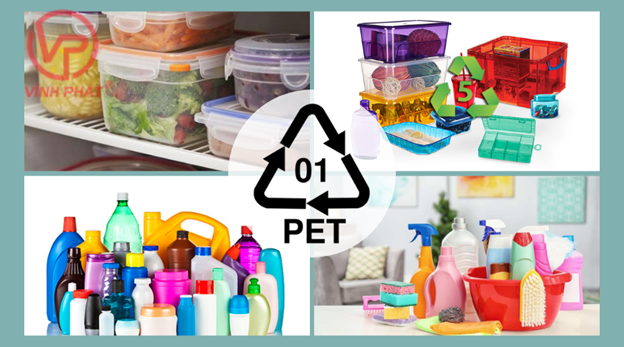
PET plastic is widely used in everyday products such as water bottles, clothing, and packaging. However, current PET recycling methods mainly rely on mechanical processes, which are only suitable for clean plastic bottles and cannot effectively handle 70% of other PET products.
The research by Adam McNeeley and Professor Y.A. Liu aims to find more efficient and cost-effective methods for recycling PET plastic. “There is a reality that the public wants to use products made from recycled materials, but if recycled materials are significantly more expensive than virgin materials, people are less likely to purchase them,” McNeeley said.
Scientists have thoroughly studied PET depolymerization methods using solvents such as ethylene glycol, methanol, and water. This process helps break down plastic components and remove impurities. The recovered components can then be purified and recycled into new PET plastic.

Key differences
Unlike previous studies that focused solely on chemical aspects, this research provides a comprehensive evaluation of PET depolymerization processes, including thermodynamics, chemistry, purification, waste management, and sustainable process design.
The research team developed a complete simulation model of four depolymerization processes. This model helps better understand how these methods work and enables calculation of energy consumption and environmental emissions for each method. As a result, manufacturers can select the most suitable approach to ensure both product purity and environmental sustainability. “There are different ways to depolymerize PET, and three methods are being actively developed for commercial use. We demonstrate that these methods differ significantly in their chemical processing pathways,” McNeeley noted.
Their findings also highlight key areas where further research is needed to significantly advance plastic recycling and make new technologies commercially viable.
Limitations
McNeeley pointed out: “One of the major limitations of mechanical recycling is its inability to completely remove certain additives and contaminants. To address this, improvements in PET waste sorting and cleaning processes are needed. Converting polymers into monomers shows great promise in overcoming this issue, allowing for higher-purity recycling. This method also opens up possibilities for recycling a wider range of PET products, such as packaging and textiles.”
Chemical recycling of PET: A growing trend among major companies
Many large corporations are actively investing in PET chemical recycling technologies, particularly methanolysis.
“It is important that major traditional chemical companies are working with this technology. These companies have access to significant capital to build large-scale processes and possess extensive experience in developing and operating efficient and reliable systems—factors that are critical for emerging recycling technologies to survive, especially in volatile market conditions,” McNeeley said.
McNeeley emphasized that in the current global context, PET plastic recycling is extremely urgent. Most plastics today are produced from fossil fuels. When fossil fuel prices remain low, plastic recycling is often not profitable, discouraging many companies. However, he believes that with finite fossil resources, prices will inevitably rise in the future. Therefore, investing in plastic recycling not only helps protect the environment but also ensures stable supply and competitive pricing for the plastics industry in the long term.
Source: ISWA
CARBON CREDIT TRADING PLATFORM ASEAN (CCTPA)
Address: Léman – 20 Truong Dinh, Xuan Hoa Ward, Ho Chi Minh City
Hotline: (+84) 28 6272 5889
Email: info@aseancarboncredit.com