Global electricity demand rises by 30%, accelerating the shift to clean energy
Global electricity demand is rising sharply, creating new opportunities for renewable energy and Net Zero while accelerating investment in smart grids and emissions reduction over the next decade.
According to a recent assessment by Rystad Energy, global electricity demand is expected to increase by approximately 30% over the next decade. The rapid expansion of technologies such as electric vehicles, artificial intelligence (AI), and data centers is placing significant pressure on the global energy system.
The surge in technology and the impacts of climate change are key drivers behind rising electricity demand. Data centers supporting AI and cloud services consume vast amounts of power for operation and cooling. At the same time, the growing adoption of electric vehicles is increasing charging demand, while prolonged heatwaves are driving higher air conditioning usage. Together, these factors are intensifying pressure on global energy infrastructure.
Renewable energy leads global electricity growth
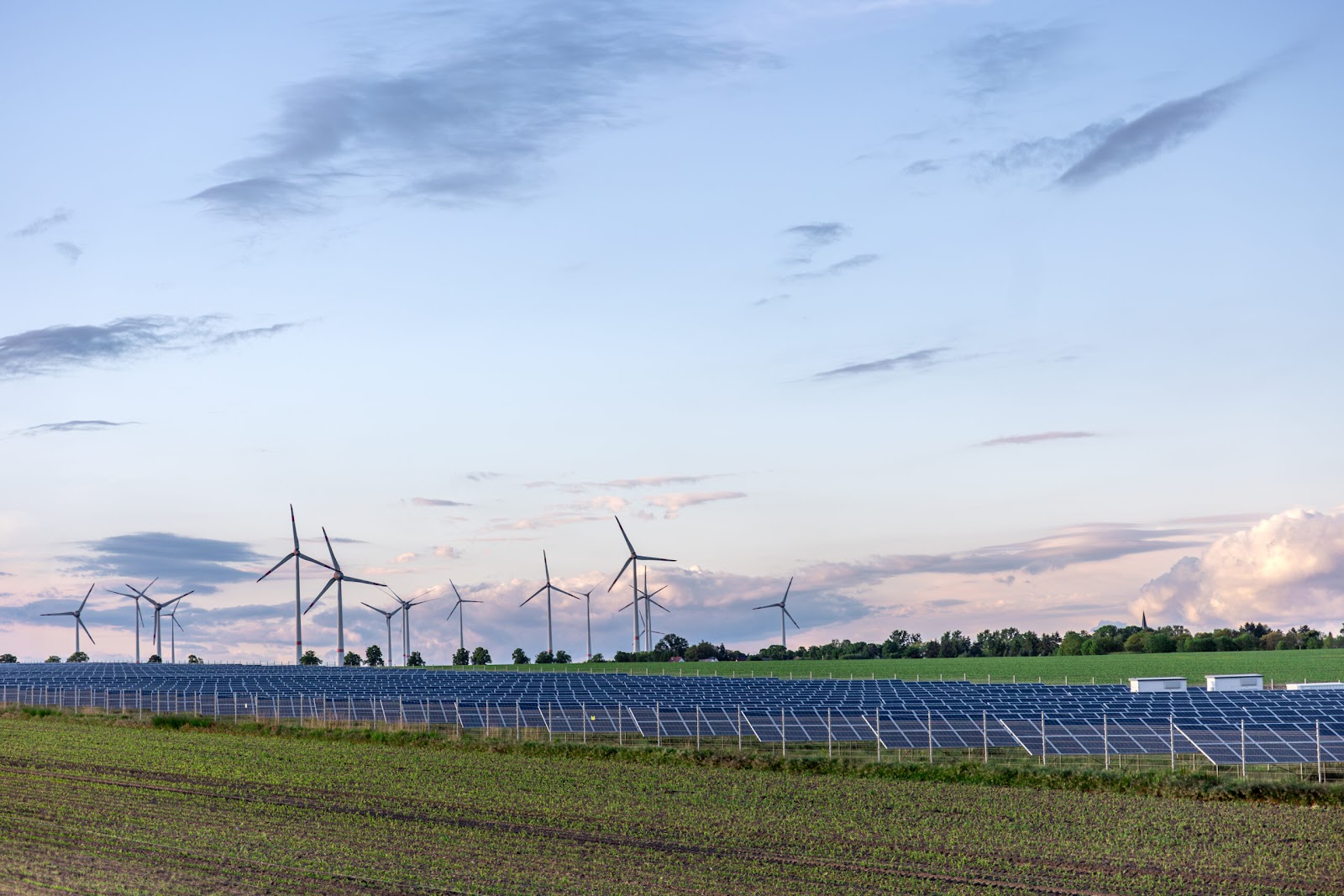
Rystad Energy forecasts that renewable energy will account for approximately 55% of global electricity generation by 2035, a significant increase from the current 34%. Among these, solar power stands out due to its declining costs and scalability across various applications, from households to industrial zones and large-scale energy farms.
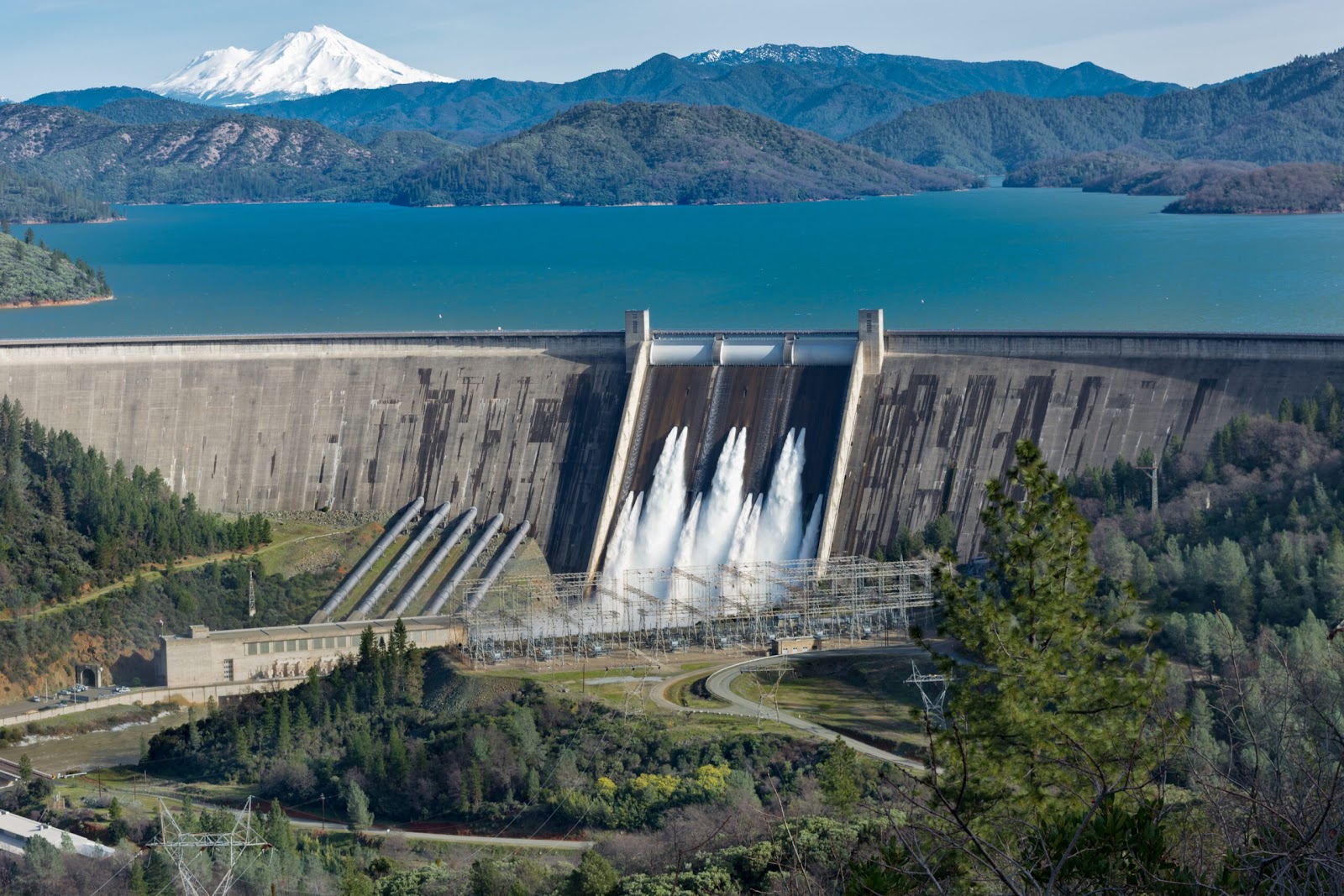
Wind, hydropower, and other clean energy sources are also being rapidly deployed worldwide to ensure energy security and reduce dependence on fossil fuels.
Fastest growth in electricity consumption in a decade
The Global Energy Review 2025 by the International Energy Agency (IEA) reported that global electricity consumption grew by 4.3% in 2024—nearly double the average annual growth over the past decade. Fatih Birol noted that rising electricity demand is driving overall energy consumption upward, reversing a long-standing downward trend in developed economies.
Balancing rising demand and emissions reduction
While increasing electricity demand creates opportunities for clean energy, it also presents significant challenges to achieving Net Zero emissions by 2050. The Energy Transition Outlook 2025–2026 by Wood Mackenzie highlights that the global energy system may struggle to expand quickly enough to match the pace of electrification. According to Prakash Sharma, the rapid growth in electricity demand is putting pressure on clean energy development and grid infrastructure upgrades. Key barriers include high capital investment requirements, long project development timelines, and geopolitical uncertainties disrupting renewable energy supply chains.
Conclusion
Rising electricity demand combined with the need to reduce emissions is forcing businesses to rethink how they use energy. Investing in renewable energy and energy management solutions helps companies reduce long-term costs while mitigating risks from energy price volatility. It also enables compliance with green standards and supports progress toward Net Zero goals.
Recognizing these trends, Vietnam has begun implementing carbon credit projects linked to renewable energy, aiming to both meet growing electricity demand and achieve carbon neutrality.
In this context, CCTPA plays a pioneering role in developing carbon market solutions in ASEAN. The organization provides carbon finance tools to support clean energy investments and platforms for greenhouse gas inventory and transparency. These solutions enable Vietnamese businesses to transition more efficiently, reduce energy cost risks, and contribute directly to the national Net Zero roadmap.
Source: VietNamPlus – Rystad Energy:
CARBON CREDIT TRADING PLATFORM ASEAN (CCTPA)
Address: Léman – 20 Truong Dinh, Xuan Hoa Ward, Ho Chi Minh City
Hotline: (+84) 28 6272 5889
Email: info@aseancarboncredit.com