Are plastic packaging alternatives truly more sustainable?
Replacing plastic with supposedly more sustainable materials has become a growing trend. However, a recent study has assessed the life cycle of different types of packaging and revealed surprising insights into their environmental impacts.
Plastic, once seen as a symbol of convenience in modern life, is now facing increasing criticism. According to the United Nations Environment Programme (UNEP), about 36% of global plastic production is used for packaging, most of which consists of single-use products. Even more concerning, 85% of this plastic ends up in landfills or the natural environment, causing serious harm to ecosystems. As a result, the search for sustainable alternatives to plastic has become more urgent than ever. But are these “greener” materials truly as sustainable as expected?
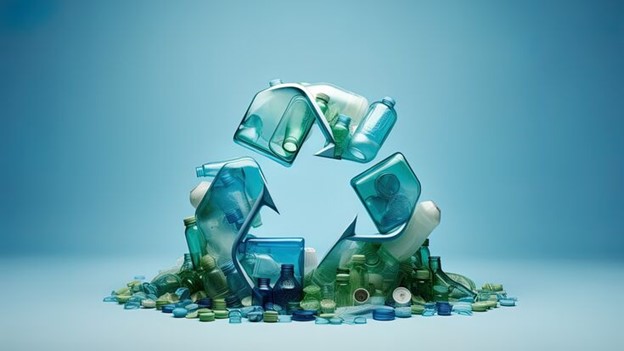
A new study by the AWARE research group at Politecnico di Milano (Italy) examined the true sustainability of alternative materials. The study analyzed 53 life cycle assessment (LCA) studies published between 2019 and 2023, aiming to better understand environmental impacts in the packaging sector by comparing plastic with alternative materials.
Plastic is not necessarily the least sustainable material
The study revealed a surprising conclusion: conventional plastic is not always the worst environmental offender as commonly perceived.
Bioplastics are often expected to be a sustainable alternative to conventional plastics. However, reality is more complex. While bioplastics can reduce greenhouse gas emissions and reliance on fossil fuels, their production and processing still pose significant challenges. Issues such as competition for agricultural land, high energy and water consumption, and limited biodegradability of certain types of bioplastics need to be addressed.
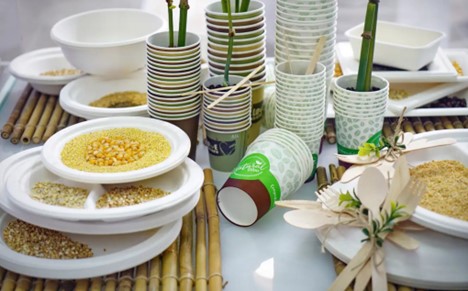
Alternatives
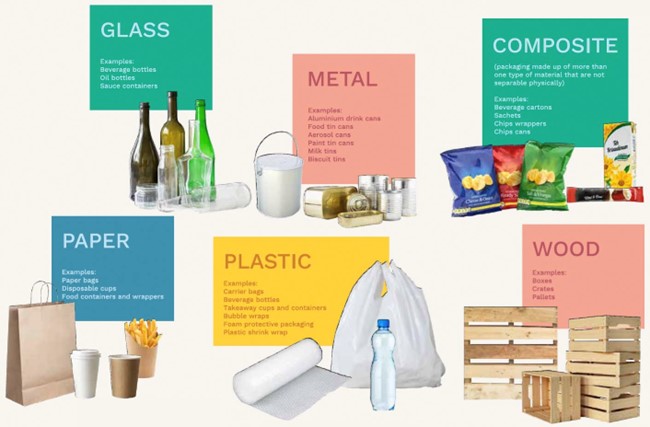
Glass, although often perceived as more sustainable than plastic, comes with its own challenges. Its heavy weight increases energy consumption in production, transportation, and storage. While reusable, glass is fragile and requires complex collection, sorting, and logistics systems.
Aluminum, with its infinite recyclability, is a strong competitor to plastic in the beverage sector. However, to reduce its carbon footprint and optimize supply chains, the industry must invest in green aluminum production technologies, promote reuse systems, and develop efficient collection and recycling infrastructure.
Life cycle analysis shows that improving the sustainability of packaging materials requires significant advancements. For glass and metals, optimizing collection and recycling systems is critical. Meanwhile, bioplastics need further research to enhance biodegradability and reduce environmental impacts during production.
Considering socio-economic impacts
Researchers emphasize that accurately assessing the sustainability of packaging requires a holistic perspective, including social and economic factors. Only by evaluating the full life cycle of a product can we truly understand the impact of each option.
“From over 50 studies, we draw two main conclusions,” said Giovanni Dolci from the AWARE research group. “First, the choice between plastic and alternative materials depends heavily on the specific application and inherent material properties. Second, current studies still face methodological limitations, such as focusing mainly on climate impacts while neglecting other factors or relying on unrealistic waste management scenarios. This shows that assessing packaging sustainability requires a more comprehensive approach.”
“Plastic, when used appropriately, can be a sustainable option due to its lightweight nature and production efficiency, allowing minimal material use per unit and optimized manufacturing processes compared to newer materials like bioplastics. However, two major challenges remain: its fossil fuel origin and, above all, its persistence in the environment,” noted Professor Mario Grosso, an expert in waste management.
Conclusion
In conclusion, while scientific research provides valuable insights into the sustainability of different materials, choosing packaging solutions remains a complex process. It requires careful consideration of all aspects, from production to end-of-life. Only then can we make informed decisions that protect the environment and move toward a more sustainable future.
Source: Helena Nageler-Petritz