Addressing the plastic pollution crisis in the Philippines
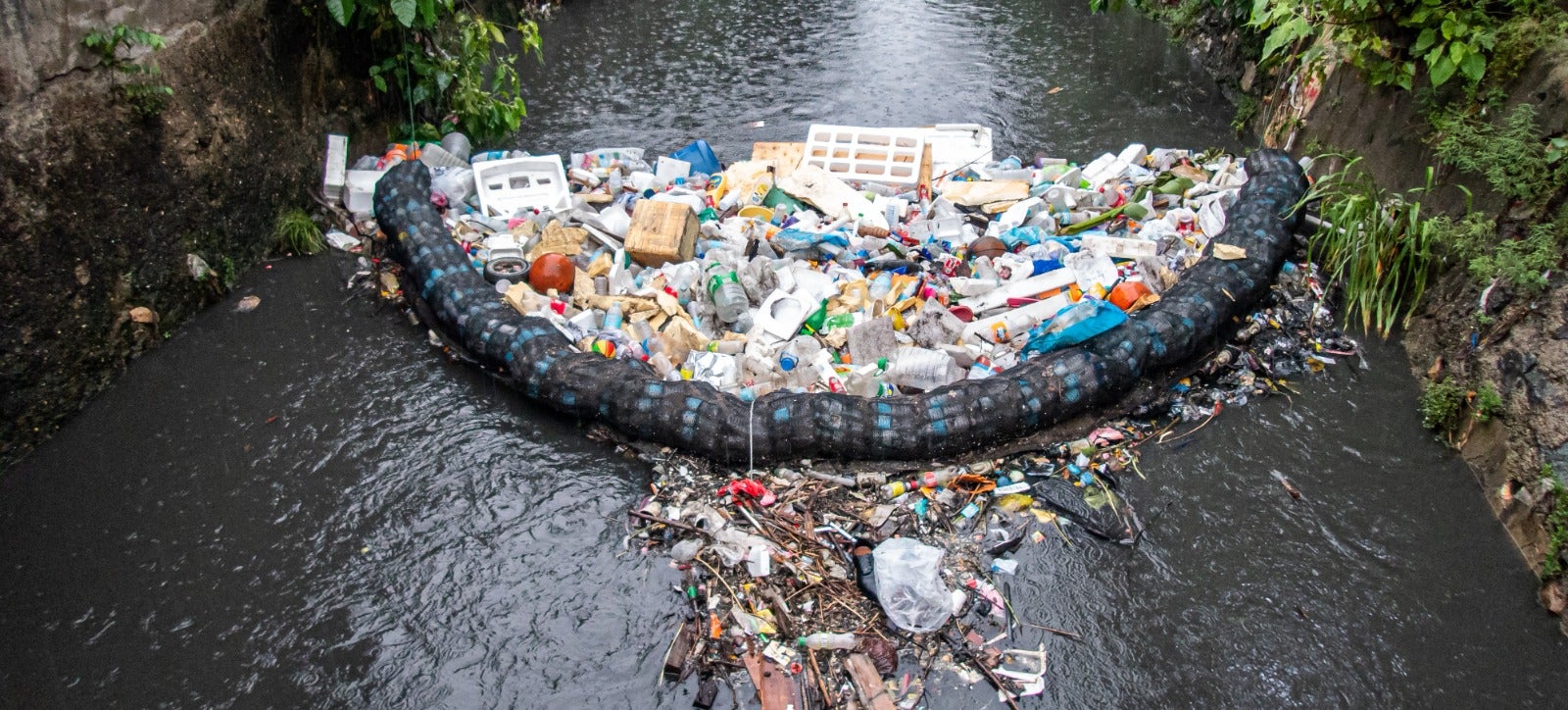
The rise of the middle class, coupled with surging consumer demand and rapid economic growth, has ushered the Philippines into an unprecedented period of development. However, behind these impressive growth figures lies an alarming reality: an escalating plastic pollution crisis.
To address this challenge, the Philippine government, academia, and civil society—supported by the World Bank—have joined forces to implement research, advisory, and awareness-raising initiatives. These efforts have contributed to the development of more effective policies for managing plastic consumption, collection, and recycling.
In recent decades, the Philippines has made significant strides in building a comprehensive waste management system, marked by key milestones such as the Ecological Solid Waste Management Act of 2000 and the National Plan of Action for Marine Litter. However, translating these legal frameworks into tangible outcomes requires stronger enforcement and active participation from all sectors of society.
The “polluter pays” principle
The year 2023 marked a major turning point in the fight against plastic pollution in the Philippines with the introduction of the Extended Producer Responsibility (EPR) Act. This legislation imposes mandatory obligations on large enterprises while encouraging voluntary participation from smaller businesses, creating a more comprehensive and effective framework for plastic waste management. At its core is the “polluter pays” principle, which requires producers of plastic packaging to take full responsibility for the entire lifecycle of their products, including waste management. This means that those placing plastic packaging on the Philippine market must bear the costs of waste prevention, cleanup, and recovery efforts.
With massive volumes of imported and domestically produced plastics, the country has struggled to keep pace with reduction, recycling, and reuse (3R) targets. Prior to the enactment of this law, the burden of waste management fell largely on Local Government Units (LGUs), which were often overstretched and under-resourced.
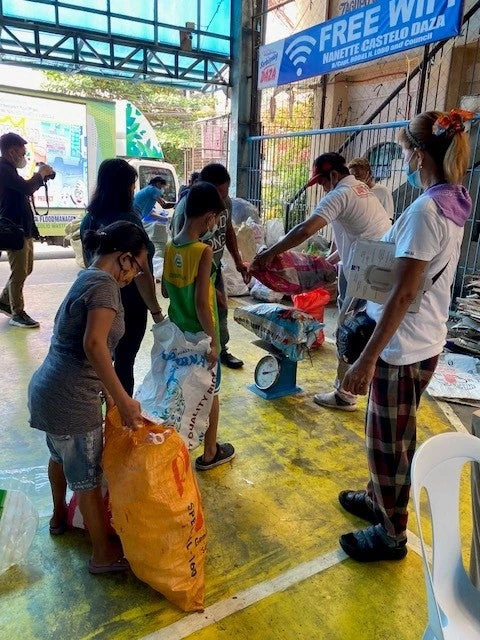
Under the new law, businesses can recover their plastic packaging waste and offset their plastic footprint by implementing take-back programs, establishing collection centers, partnering with LGUs for waste recovery, and developing industrial-scale recycling facilities. The “polluter pays” principle significantly reduces the burden on LGUs.
A comprehensive solution: Lessons from South Korea
The World Bank is playing a key role in supporting the implementation of the Philippines’ new plastic waste management law. Through analytical reports such as “Market Study for the Philippines: Plastics Circularity Opportunities and Barriers,” it provides insights into South Korea’s successful EPR model and offers practical recommendations for effective implementation.
Recognizing a growing waste management crisis, South Korea introduced robust policies, regulations, and enforcement mechanisms, successfully reducing plastic waste and increasing recycling rates over the past two decades.
Key success factors of South Korea’s EPR system—such as strong public awareness, efficient waste management systems, and, importantly, financial accountability placed on producers—offer valuable lessons for the Philippines. The success of EPR in the Philippines will largely depend on establishing an effective, producer-financed system for plastic waste collection and recycling.
However, adapting the EPR model in the Philippines presents unique challenges. The country’s archipelagic geography, with more than 2,000 inhabited islands, combined with limited infrastructure and services in remote areas, poses significant barriers. Additionally, ensuring the livelihoods and welfare of informal waste pickers remains a critical social issue that must be addressed.
By learning from South Korea’s successes while addressing its own systemic gaps, policymakers in the Philippines can make meaningful progress in reducing plastic pollution and building a more sustainable environment.
Since the law’s enactment, a wave of positive change has begun to spread across the plastic packaging industry. With a clear regulatory framework and stable financing mechanisms, businesses are increasingly taking proactive roles in plastic collection and recycling, significantly contributing to the reduction of plastic waste entering the environment. This marks an important step forward in the fight against plastic pollution, not only in the Philippines but globally.
Source: Mona Sur, Junu Shrestha & Agnes Balota
CARBON CREDIT TRADING PLATFORM ASEAN (CCTPA)
Address: Léman – 20 Truong Dinh, Xuan Hoa Ward, Ho Chi Minh City
Hotline: (+84) 28 6272 5889
Email: info@aseancarboncredit.com